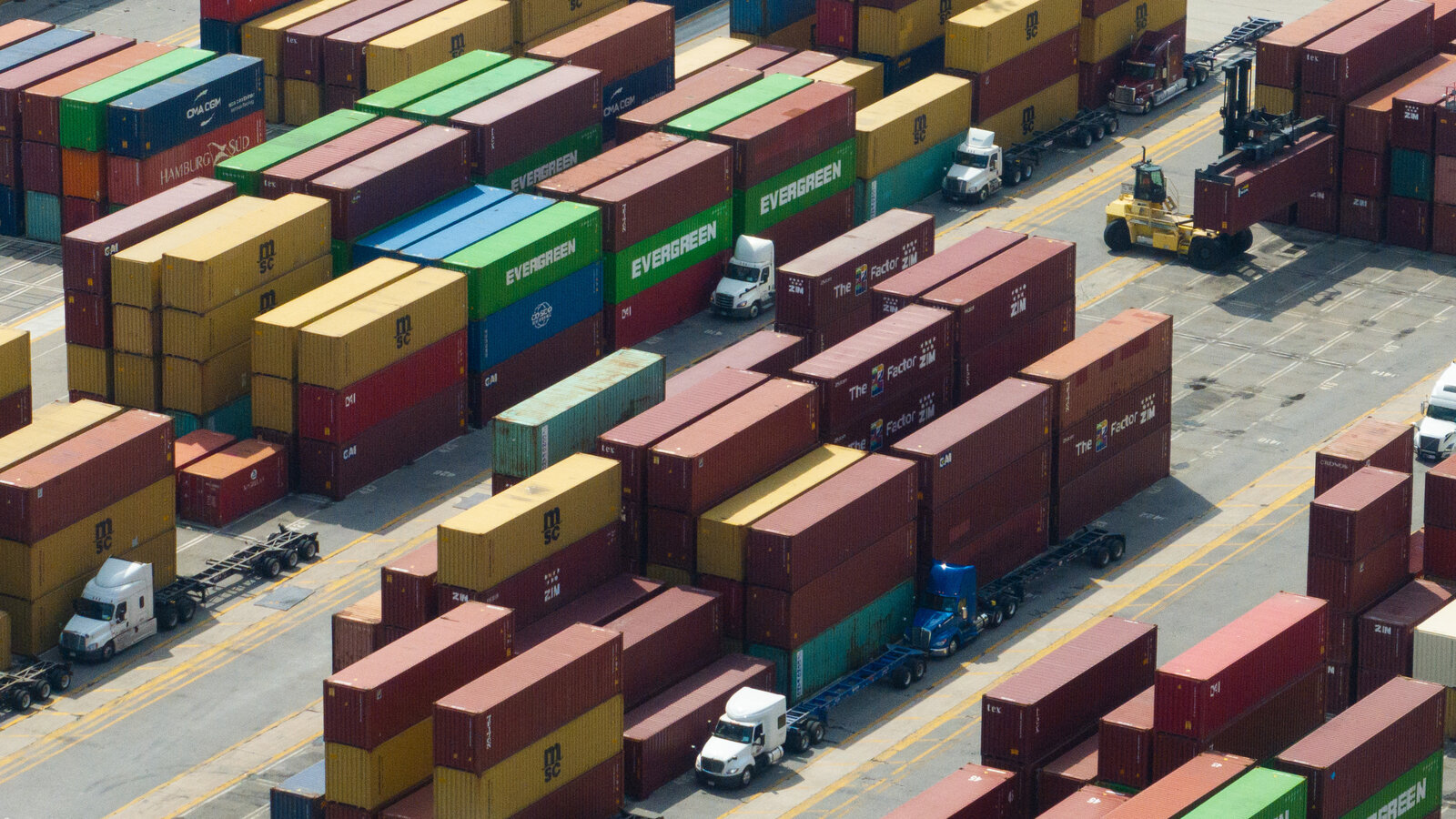
WTO : Risks for global trade could be increased by sustained increases in energy prices, with possible impacts on food security and cost pressures for consumers and businesses
In 2025, the growth rate was higher than expected (4.6%, compared to the estimated +2.4% in October), driven by the trade of AI-related products and by the expectation that global trade in 2026 will slow down and could decline further if energy prices remain high.
The World Trade Organization's latest Global Trade Outlook and Statistics, released today, supports this. The report outlines several scenarios, precisely because of the uncertainties surrounding the Middle East conflict. The first scenario, which excludes energy price shocks, predicts a 1.9% baseline increase, followed by a 2.6% increase in 2027. On the other hand, services are expected to grow more strongly: 4.8% in 2026 and 5.1% in 2027. Together, these two scenarios would lead to a 2.7% increase in trade this year.
crude oil and LNG prices
Conversely, should crude oil and LNG prices persist at elevated levels throughout 2026, this would result in a reduction of several percentage points from growth, particularly by prompting an increase in trade in goods of a mere 1.4% this year (and a 4.1% increase in services).
"Risks for global trade could be increased by sustained increases in energy prices, with possible impacts on food security and cost pressures for consumers and businesses," was commented by WTO Director-General Ngozi Okonjo-Iweala.
Related : The Implications of a Global Increase in Oil Prices.-Report

The disruption of the Strait of Hormuz
The disruption of the Strait of Hormuz has had consequences beyond the impact on fuel supplies. Fertilizers, which are vital to global agriculture, are also affected, as this sea route is used to transport approximately a third of the world's exports. Major agricultural producers such as India, Thailand, and Brazil depend on the Gulf for 40%, 70%, and 35% of their urea imports, respectively. The Gulf states themselves face food security challenges given their average import dependence of 75% for rice and over 90% for corn, soybeans, and vegetable oil.
Related : Pacific revives container freight rates
WTO does not rule out a third, more optimistic scenario
However, the WTO does not rule out a third, more optimistic scenario that could materialize if the conflict is resolved quickly and AI spending continues in 2026 and 2027. In this case, growth would be 0.5 percentage points above the baseline, resulting in overall growth of 2.4% this year and 2.7% next year. Finally, it is possible that downward trends could occur alongside upward trends, for example, high energy prices coupled with an increase in trade of AI-related goods. According to the analysis, in this case, growth in trade in goods in 2026 could be closer to the baseline scenario
The impact of AI-related goods
The analysis then shifts back to 2025, focusing on the impact of AI-related goods. According to the WTO, trade in these goods grew 21.9% year-over-year in value terms, reaching $4.18 trillion in 2025 (compared to $3.43 trillion the previous year). Despite accounting for only one-sixth of the total, these products accounted for 42% of overall global trade growth in 2025.
Related :Hormuz stoppage will impact cost of living according to UNCTAD
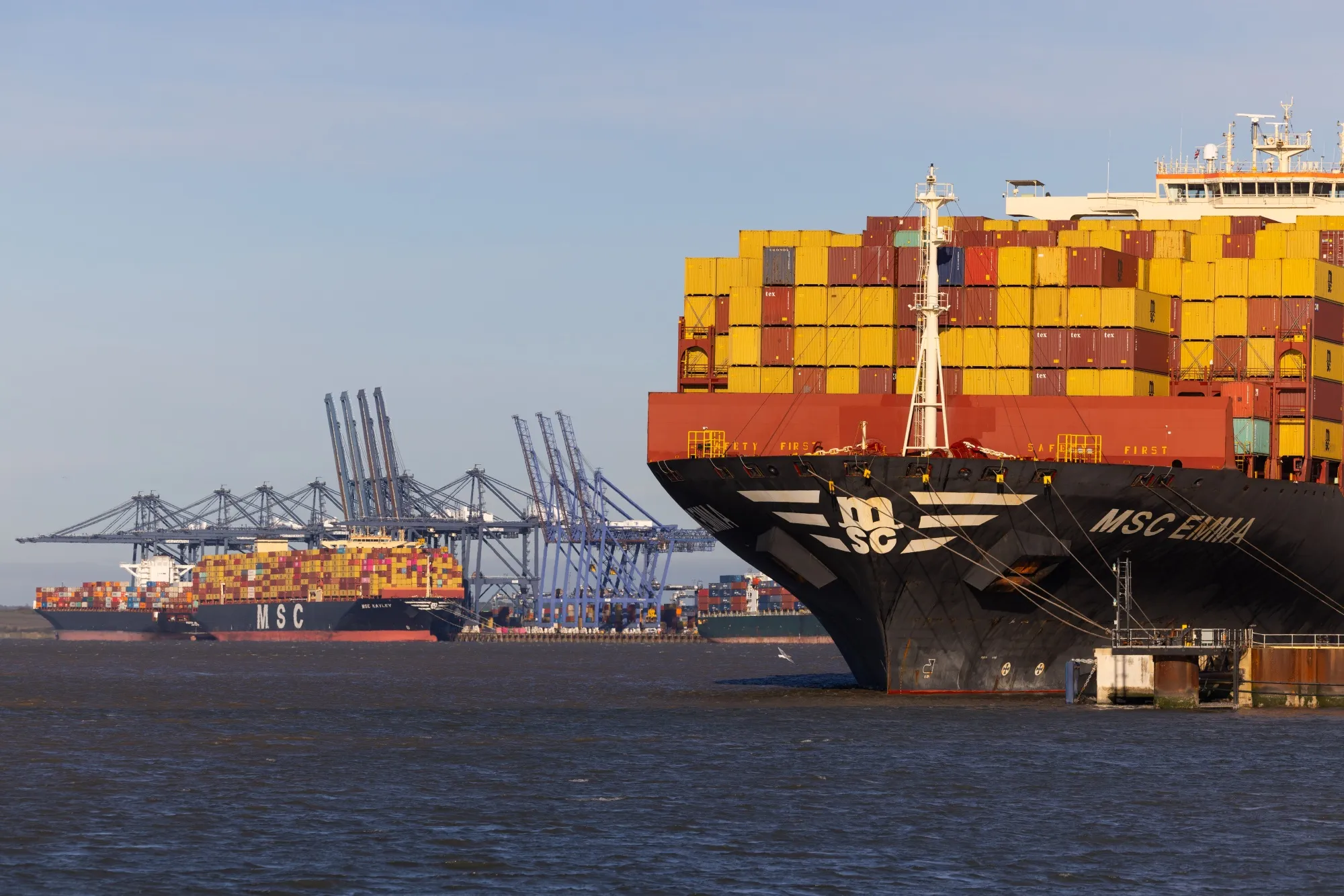
In the baseline scenario for 2026,
In the baseline scenario for 2026, Asia is expected to experience the fastest growth in merchandise imports (+3.3%), followed by Africa (+3.2%), South America (+2.5%), Europe (+1.3%), and the Middle East (+1.0%). North America's imports are expected to remain stable at 0.3%, while Commonwealth countries' imports are projected to decline by 2.0%.
Worldwide and regional predictions
Higher taxes on imports and exports and more uncertainty in trade policies are set to eventually cancel out some of the effects of earlier frontloading. Rising input prices and a slowdown in trade shipments already suggest that inflation could increase in late 2025 as inventories shrink in sectors highly exposed to tariffs. With higher tariffs set to take effect in August, the impacts projected in the WTO Secretariat's April 2025 forecast will likely materialize later this year and into 2026.
Expectation 2026 according to WTO
In terms of exports, Asia and South America are expected to lead the growth, both at +3.5%. Following them are North America (+1.4%), the Commonwealth (+1.3%), and Africa (+1.2%). Meanwhile, Middle Eastern exports are expected to slow sharply (+0.6%), and European exports are expected to stagnate (+0.5%). In general, merchandise imports in less developed countries are predicted to rise by 4.5%, while exports are expected to increase by 2.9% in 2026.
#AI Trade #WTO Secretariat # LNG prices # Strait of Hormuz #Ngozi Okonjo-Iweala #crude oil #WTO #Growth #global trade #energy price shocks
You Might Also Like

05 December 2025
Recommendation News

Marine Tech
Danish Shipping welcomes EU proposal to include Indian ship recycling facilities on EU list 20 August 2026
Shipping Lines
COSCO Shipping Europe will add two weekly feeder calls to Gdynia 23 May 2026
Yachts&Cruises
From Galveston : Royal Caribbean to Deploy Icon of the Seas in 2027 13 November 2025
Incidents
Fire (extinguished) in the engine room of the Grimaldi vessel Grande Roma 30 October 2025