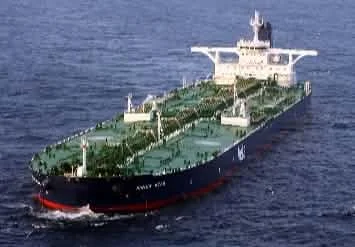
In the third quarter of 2026, the shipping market reached unprecedented levels of profitability.
An increase in earnings for VLCCs. In early October, rates on certain routes exceeded $1.6 million per day, with the quarterly average being $277,995 per day.
The dry bulk market is also performing well, with Capesize rates reaching over $50,000 per day on average
Clarksons Research's ClarkSea Index, a gauge of freight rates and revenues across major shipping segments, averaged $46,384 per day for the quarter, surpassing the previous record of $44,222 set in the second quarter of 2008. The quarter also hit a weekly high of about $66,000 per day.
The index is being driven by crude oil tankers, particularly in light of the impact of the Middle East crisis on oil routes and logistics. According to Clarksons, approximately 12 million barrels of crude oil per day transited the Strait of Hormuz at the end of the quarter, compared to 15 million barrels per day before the conflict began and less than two million barrels per day in the second quarter. Much of this traffic is carried out by ships operating as shuttles in the Gulf, which then transfer cargo ship-to-ship in the Gulf of Oman before continuing on to Asia.
Longer routes and logistical inefficiencies
Longer routes and logistical inefficiencies, above all, have led to a surge in VLCC earnings. The quarterly average was $277,995 per day, with rates on certain routes exceeding $1.6 million per day in early October. By September, the ClarkSea Index had already reached 64,569, which is 27% above the previous all-time daily high of 50,714 recorded in December 2007.
Average daily freight rates for Suezmax vessels
However, the phenomenon isn't limited to large tankers. Average daily freight rates for Suezmax vessels reached $228,262 in the quarter, while those for Aframax vessels reached $119,189. The product tanker market also remained robust, with MR tankers averaging $31,157 and values reaching around $60,000 by the end of the quarter.
Related: Mottola's Crossbow (D'Amico): The shipping market is upside down because of the war with Iran.
The gas market
The gas market also performed well. Record-breaking daily averages of $154,853 pushed VLGCs to new heights, driven primarily by the increased distances travelled by US cargoes bound for Asia, particularly via the Cape of Good Hope. The LNG carrier market was more moderate, however, with freight rates falling below $40,000 in August and September.
The dry bulk market
The dry bulk market is also performing well, with Capesize rates reaching over $50,000 per day on average, supported by increased exports from Guinea and demand from China. Meanwhile, the container market continues to benefit from traffic growth of 5%, as estimated by Clarksons, as well as from congestion and disruptions on key routes. Containership charter rates have also increased by 12% since the beginning of the year. Car carriers are also experiencing strong growth, with earnings reaching around $95,000 per day, driven by the rapid expansion of Chinese automobile exports.
The shipbuilding industry's order book
The outcome is a marked increase in investment. In absolute terms, the shipbuilding industry's order book grew by 25% in one year, reaching levels similar to those of 2008, even though at that time it represented 52% of the global fleet, compared to 23% today. Fleet growth is also expected to increase to 6% per annum by 2027–28, with sharp rises anticipated for containerships and gas tankers in particular.
The short-term outlook for Clarksons
The short-term outlook for Clarksons remains very favourable, but there is an increasing element of uncertainty: how long will the exceptional conditions generated by geopolitical tensions last? The normalisation of trade in the Middle East could reduce some of the current gains generated by route extensions and inefficiencies. Meanwhile, increasing orders and fleet capacity pose an increasing risk of overcapacity in the coming years.
#Clarksons Research #ClarkSea Index #gas market# crude oil tankers #Middle East crisis #Srait of Hormus #dry bulk market #China #Containership charter
You Might Also Like


Recommendation News

Incidents
Singapore container ship suffers explosion off Kerala coast 17 October 2025
Shipping Lines
EU container exports to the Middle East and India fell by 10.8% in the first half of 2026 23 August 2026
Shipping Lines
Maersk hits East Africa-Europe cargo with $500 peak-season surcharge 18 August 2026
Ports
Johor Port has introduced designated safety routes for port users. 06 March 2026
Incidents
The Yemeni Coast Guard has detained the Nereida, a sanctioned tanker. 07 September 2026