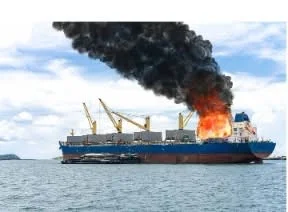
Rates for seven days' cover are now estimated to be around ten times higher than before the attacks, having more than doubled in the past week
Over 2% of the global container fleet is currently positioned in or near the Persian Gulf.
By : Capt. Haitham Al Zahrani
Saudi Marine Pilot
The classification of the Arabian Gulf as a high-risk area (HRA) will result in a significant increase in maritime operational costs and a substantial rise in war risk insurance premiums. Insurers often impose additional premiums (APs) on vessels passing through the Strait of Hormuz, and these premiums can rise sharply in response to heightened security threats, such as drone attacks or vessel seizures. This forces shipping companies to renegotiate charter party agreements, pay higher freight rates or suspend voyages entirely.
Escalating geopolitical tensions
.Meanwhile, escalating geopolitical tensions in the Arabian Gulf present significant challenges for the maritime transport sector, particularly with regard to vessel transits through the Strait of Hormuz, which is one of the world's most crucial maritime chokepoints. In this context, marine insurance has become crucial in determining whether vessels continue or suspend operations in the area.
Global container fleet
Over 2% of the global container fleet is currently positioned in or near the Persian Gulf. Several major carriers have suspended Gulf bookings or limited transits through the Strait of Hormuz.
Whereas the Red Sea disruption allowed vessels to reroute via the Cape of Good Hope, extending transit times but preserving destination access, a full restriction in the Persian Gulf removes the destination entirely for Gulf-bound cargo
Related : Trump threatens to ‘obliterate’ Iran’s power plants if Strait of Hormuz is not reopened
The direct impact of area classification
Several marine insurers have classified the Arabian Gulf as a High-Risk Area (HRA), with some designating it as a War Risk Zone. While this classification does not result in the complete withdrawal of insurance coverage, stringent conditions are imposed on vessels intending to transit the area. Rates for seven days' cover are now estimated to be around ten times higher than before the attacks, having more than doubled in the past week, and the spike in premiums is expected to significantly increase the cost of goods transported through the shipping corridor.
Related : Hormuz stoppage will impact cost of living according to UNCTAD
One of the most critical requirements is obtaining prior approval for each voyage. Any vessel transiting without such approval risks losing its insurance cover entirely, which would be unacceptable both operationally and legally
Current insurance conditions
Although you can still get marine insurance, there are now several strict conditions that apply, including:
Individual risk assessment for each vessel and journey
Enhanced onboard and operational security measures implemented
War Risk Premiums (WRP) have seen significant rises.
These requirements have made securing insurance significantly more complex and costly, and have led many shipowners and operators to reconsider transiting the region.
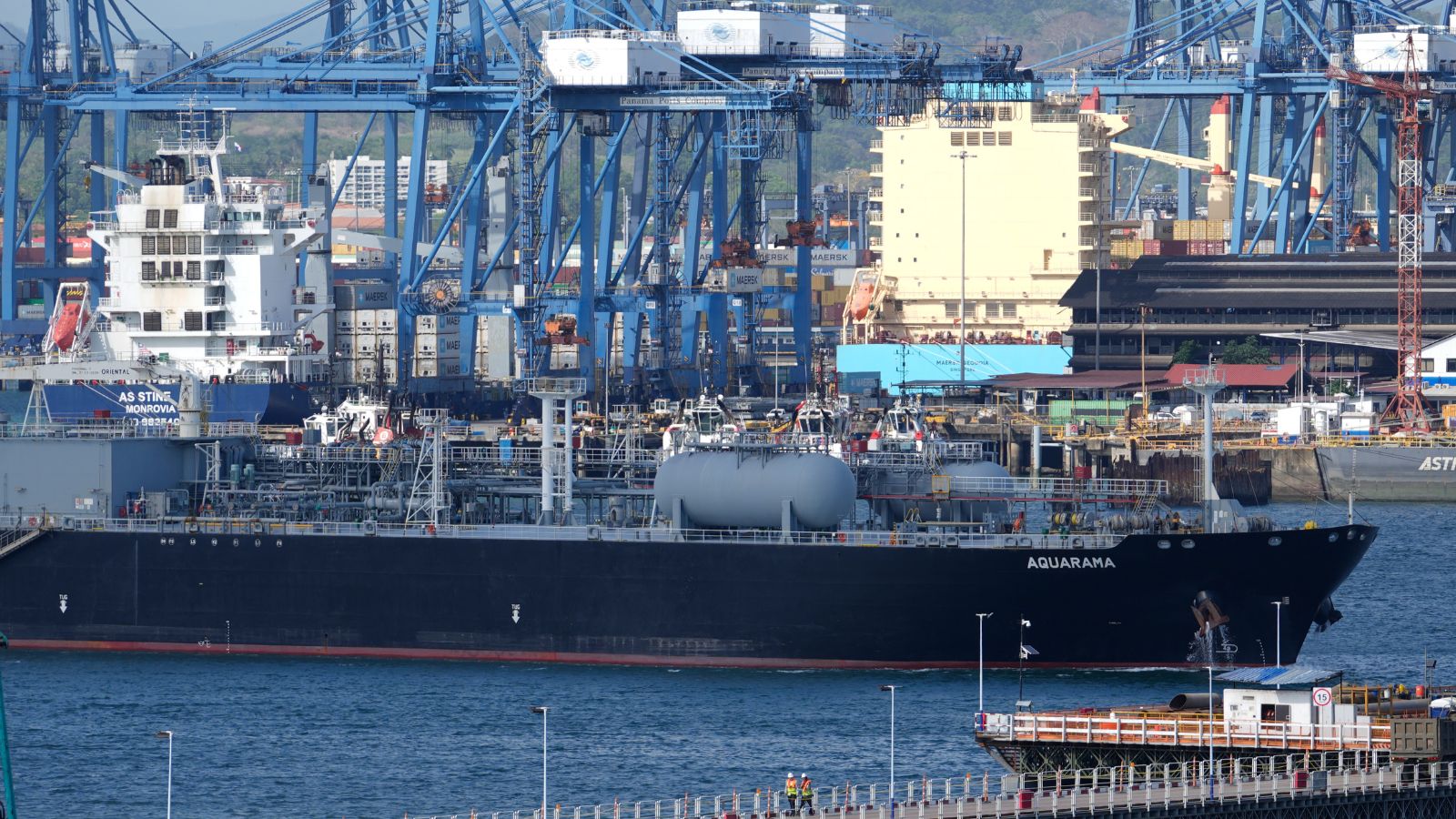
Vessel delays: Operational choice or forced reality?
These constraints have led to a noticeable increase in the number of vessels waiting inside and outside the Strait. Although this may seem like a commercial or operational decision, it is actually an outcome forced upon them by their inability to operate without valid insurance.
IUMI and the marine insurance community
IUMI and the marine insurance community are closely monitoring the situation in the Middle East, paying particular attention to the safety of shipping and the freedom of passage in the Persian Gulf and the Red Sea. confirming that the situation remains fluid, with several vessels currently stranded in the Persian Gulf and many operators rerouting their vessels to avoid high-risk areas. Insurers will be mindful of the impact this could have on accumulations at nearby ports, as well as on vessels and their crews, who will have to navigate longer sea routes. Disruptions to supply chains are likely in the short term as a result
Related : Pacific revives container freight rates
#IUMI # marine insurance community #Red Sea disruption #War Risk Premiums (WRP) # Capt. Haitham Al Zahrani #War Risk Zone# Arabian Gulf #Rates # Strait of Hormuz
You Might Also Like

Recommendation News

Ports
Drewry : Significant improvement in traffic through the Suez Canal this week 15 January 2026
Incidents
Russian Captain of Solong Ship Arrested 16 October 2025
Marine Tech
ATIDI Board Meeting : USD7.8 billion in Trade & Investments Supported in the Country 27 March 2026
Marine Tech
Wärtsilä and Erik Thun Group's partnership 24 April 2026
Seafarers
Italy : Unions on strike to support the fund of the exodus of dockworkers 30 November 2025